


Camille Colette Studio | Spring-Summer 2024 Collection
Discover our Spring/Summer 2024 collection!

By subscribing to our newsletter

Are you passionate about jewelry? Do you love making accessories for yourself and those around you? Do you want to make it your profession? The problem is you don't know where to start: what are the steps to take? Who should you contact? What do you need? etc. Don't panic, it's completely normal! At Camille Colette Studio, we went through the same stages and questions. Here is our complete guide to creating your jewelry brand.
The first step to creating your jewelry brand is to define the type of business you want to operate, and the category of accessories you wish to sell.
You can create a craft brand for which you will design jewelry yourself. This activity is not regulated; it is not mandatory to have a diploma. However, it is advisable to get training. You can obtain a CAP (Certificate of Professional Aptitude) in art and jewelry making techniques or a BMA (Brevet des Métiers d'Art) in jewelry with a jewelry-making option.
But you can also choose to do dropshipping. This involves buying products from a wholesaler and reselling them at a higher price. Finally, it is also possible to join a franchise network (Histoire d'or, Julien d'Orcel, etc.) to manage one of their stores.
You will then need to select the type of pieces you want to offer. This could be costume jewelry, fine jewelry or luxury jewelry. You must also identify the materials you will work with (solid gold, gold-plated, gold-filled, sterling silver, natural stones, etc.). You can also choose a niche: engagement and wedding jewelry, birth jewelry, personalized accessories, a specific theme such as astrology, etc.
It is important to outline your project. This will allow you to know where you are going and can facilitate certain subsequent steps.
Once your project is well defined, you can start branding your business. In marketing, this refers to a set of commercial actions aimed at building a company's brand image. You will create visual and verbal elements (logo, graphic charter, slogan, etc.) that will allow you to convey your values, but also to embed your products and services in the minds of consumers. The goal is to make your brand easily identifiable, even essential, for your target audience.

It is very important to take care of your brand image. This will be visible on your website, your social networks, your physical store, or on your product packaging. If such a strategy is well executed, it will allow you to:
A business plan is a written document describing the financial and commercial strategy of your company. It is the tool that will allow you to convince banks and investors of the viability of your project. It is built in 5 steps.
This speech must be condensed, concise, and convincing. The objective is to demonstrate your abilities to create and manage a company, to present your serious preparation and to prove your reliability as well as that of your project. During this presentation, you must explain to your interlocutors:
You will then need to describe what your company will offer to its customers (product or service). This part must be clear and concise. Do not use jargon; your interlocutor may not be familiar with your sector of activity.
A business model precisely, but concisely, describes how your company will make money. It defines what you will sell, to which customers, for what purpose, in what manner, and for what profit. Developing a business model also allows you to analyze the costs you will incur.
It must answer several questions:
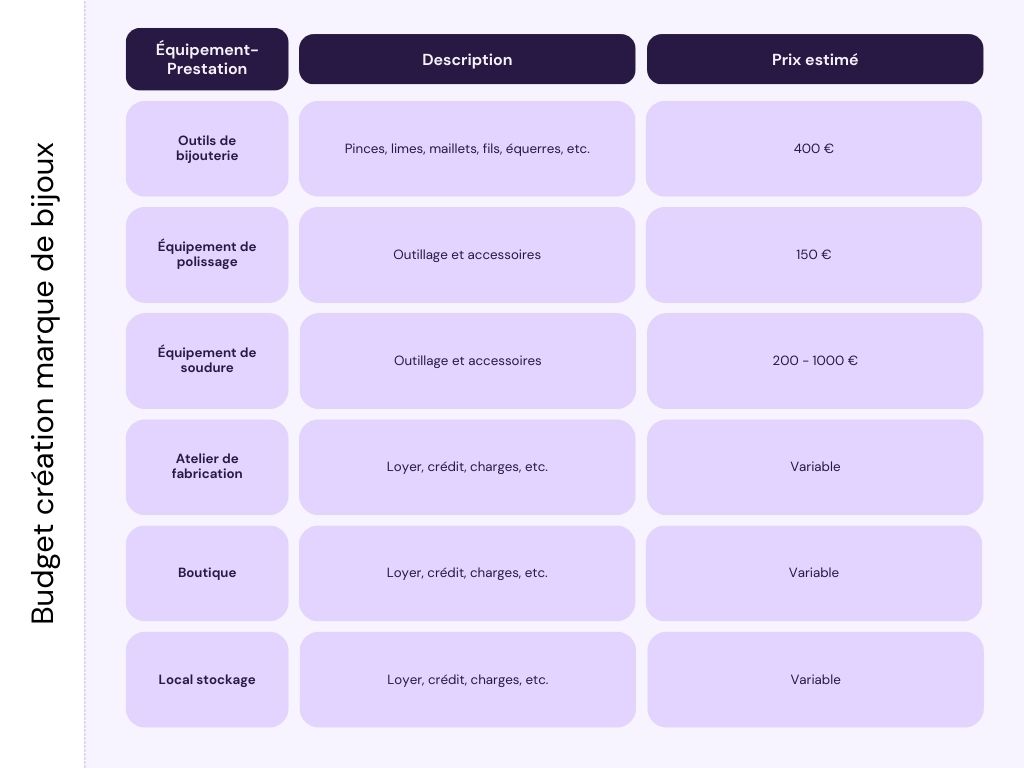
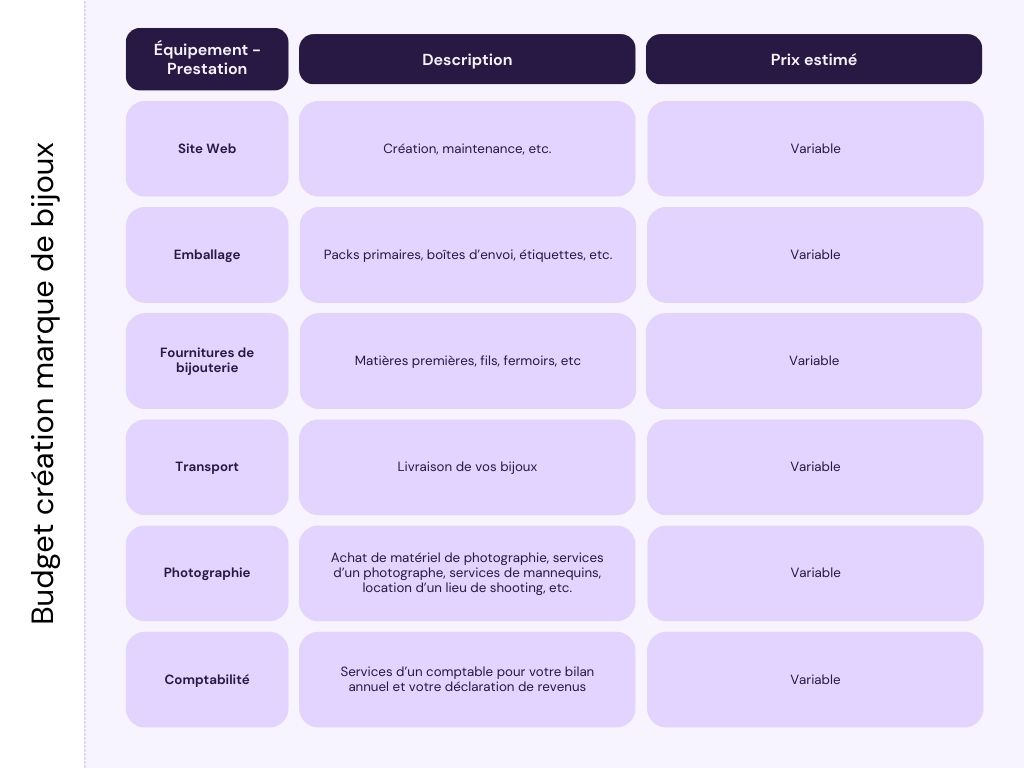
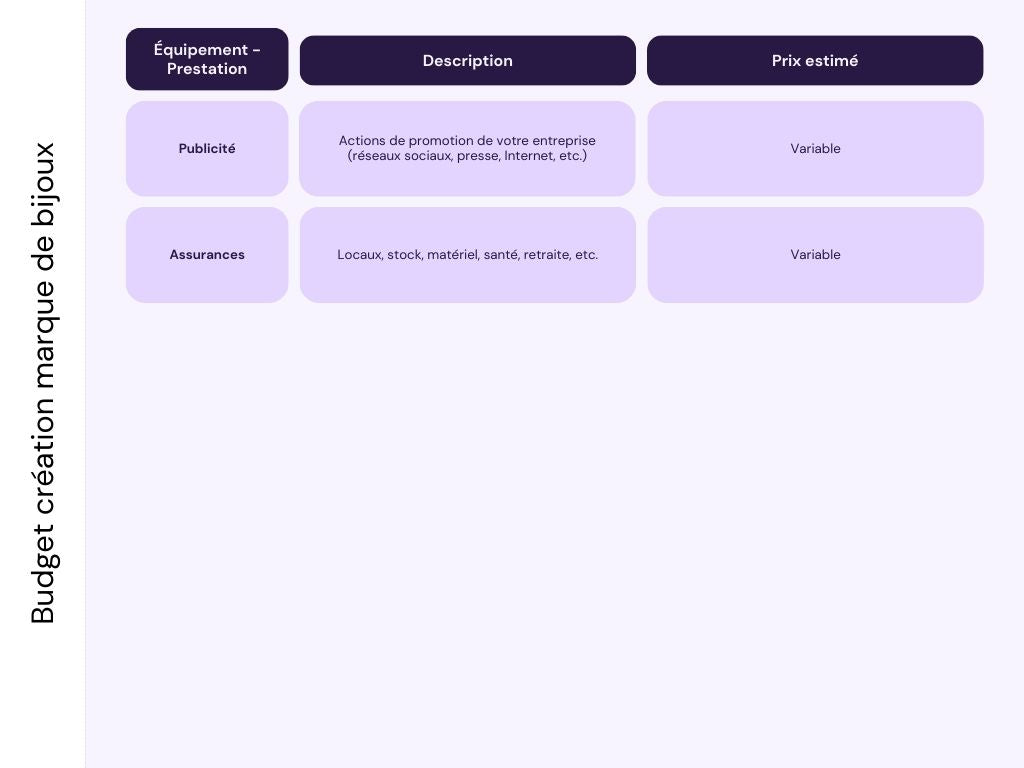
To write conclusions, you must first have conducted a market study. This step allows the entrepreneur to analyze, measure, and understand the functioning of the market in which they plan to establish themselves.
The market study consists of analyzing supply, demand, the environment (locations, trends, competition, legislation, etc.) as well as distribution channels and the commercial strategy.
To carry it out, you must conduct research, submit questionnaires to your target audience, and conduct field surveys. Finally, you must analyze the information collected and draw conclusions. You can do this study yourself or entrust it to a third party.
⏩To learn more: How to conduct a market study?
The creation of a financial forecast is part of your market study. It is a tool for monitoring your financial situation. Its objective is to verify the viability, performance and profitability of your project using real and projected figures. It is composed of 4 parts and is presented in the form of 4 numbered tables:
⏩Learn more: how to create a business plan?
In France, every company is subject to a legal framework. It is up to you to choose your legal status. This depends on the type of activity you defined in the first step.
If you are creating your jewelry brand alone, you will have the choice between sole proprietorship and single-member limited liability company (EURL):
If you wish to create your company with one or more people, you can consider two options:
You can contact your local Chamber of Commerce and Industry for assistance in choosing your status and with your procedures.
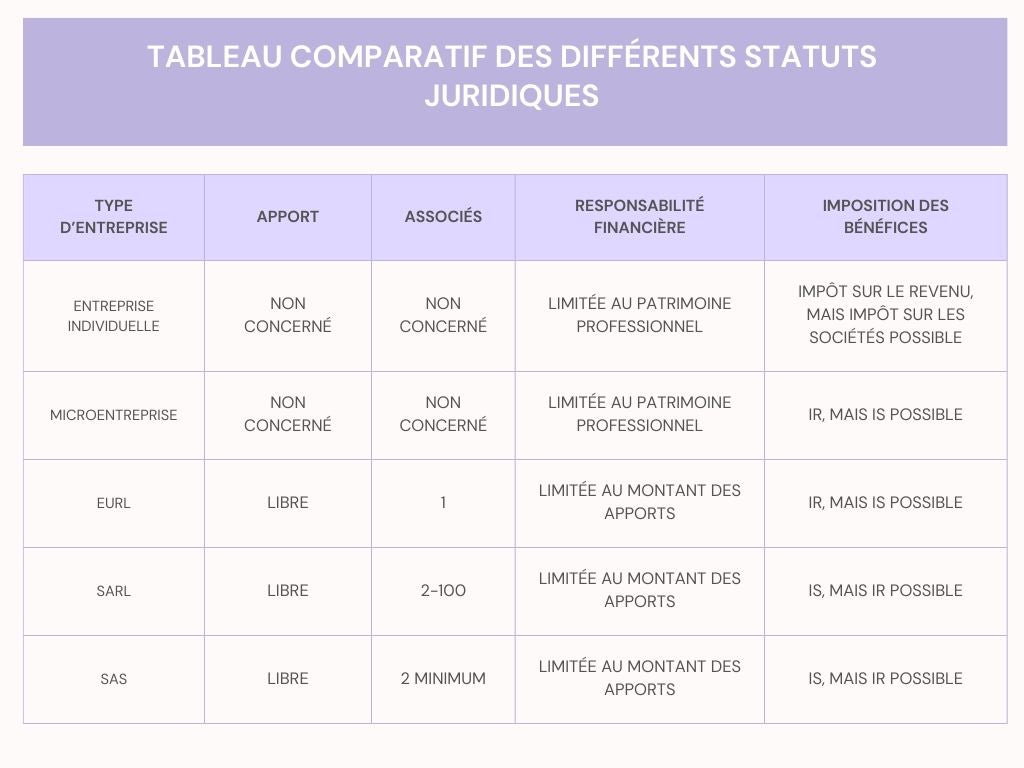
⏩To go further: choose the legal form of your company.
Creating your company and making it sustainable inevitably requires financial investments. If you have scrupulously followed the different steps of our guide, you have written a solid business plan. Thanks to this tool, you are able to evaluate the costs associated with launching your brand and therefore, the budget you need.
To obtain this funding, you have several possibilities:
After choosing your legal status and finding the necessary funding, you can officially create your company. You will then have to deal with a set of administrative procedures. If you are not comfortable with this, your local Chamber of Commerce and Industry can once again assist you:
As a business owner, you will be subject to certain obligations such as keeping several registers (concerning accounting, company operations, employees, or personal data processed by the company), declaring your income, paying certain taxes (e.g., Corporate Property Tax), etc.
⏩ For more information: I create my company.
Not all insurance policies are mandatory, but they are strongly recommended. You are not immune to hazards in your professional life; you will be more at ease facing them if you are protected:
Once all these steps are completed, you can finally take the plunge! You are now a business owner with all the responsibilities that entails:
This may seem intimidating, but if your project is carefully considered, well structured, and you are motivated by what you do, you will be perfectly capable of successfully running your business. Mistakes are part of the process. It is important to surround yourself well and, if necessary, to know how to delegate.
To remember:
